






China’s 3D-Printed Mini Jet Engine Soars to 13,000 Feet: Implications for Drone Enthusiasts and the Tech Sector
Introduction
Envision a miniaturized jet engine, compact enough to fit in your hands, yet powerful enough to ascend to significant heights, heralding a new chapter in drone technology. This vision has materialized in Inner Mongolia, where China’s Aero Engine Corporation (AECC) celebrated the successful maiden flight of a fully 3D-printed mini turbojet engine. Weighing just enough to provide 160 kilograms of thrust, it reached an altitude of 4,000 meters (approximately 13,000 feet)[1][2][4].
This advancement is not exclusive to engineers—it marks a pivotal shift for those engaged with drones, aerial photography, and the future of unmanned aviation. Whether you’re purchasing your first drone for leisure or exploring business utilities like drone delivery, understanding this technology’s implications is crucial.
The Test Flight: A New Epoch in Aviation
On a clear day in Inner Mongolia, a small aircraft—powered by a completely 3D-printed mini turbojet engine—took to the skies. This test affirmed not only the engine’s dependability and precision but also showcased the potential to redefine the capabilities of small, unmanned vehicles[1][2][7].
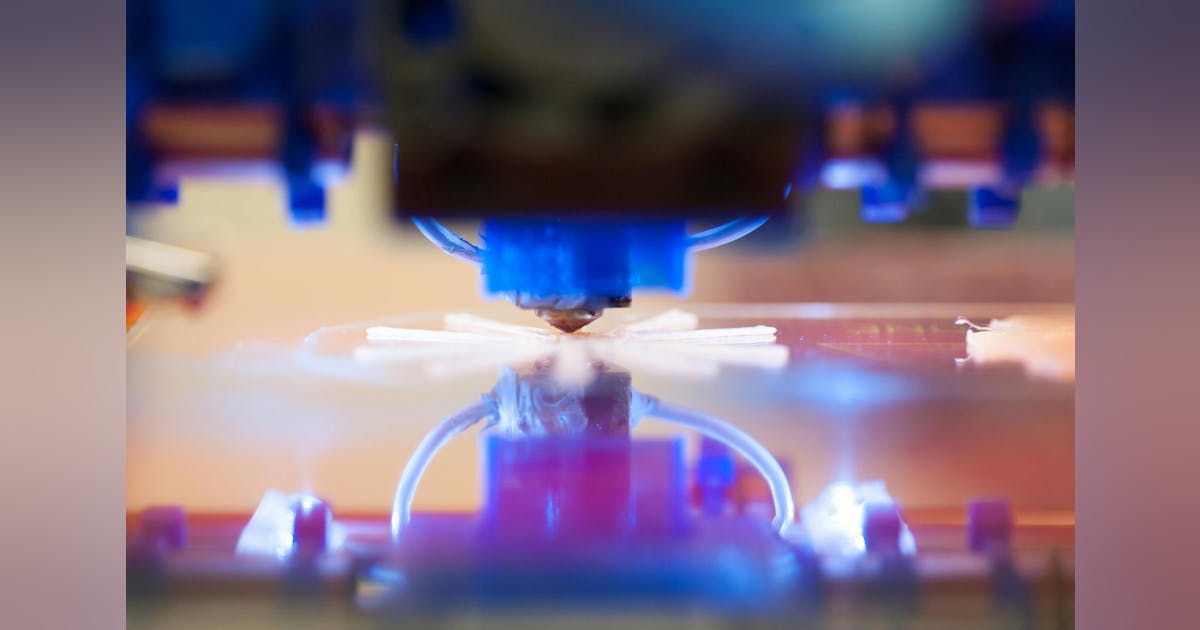
The engine is a testament to cutting-edge engineering. Crafted through advanced 3D printing methods, it features a design strategy known as multi-disciplinary topology optimization. Essentially, engineers employed computer models to optimize every component of the engine for superior efficiency, reduced weight, and optimal performance[1][7].
Expert Tip:
When selecting a drone for personal or professional use, it’s vital to consider the “thrust-to-weight ratio” and “manufacturing technology.” A 3D-printed engine can enhance speed, lightness, and reliability—attributes ideal for aerial photography or business applications.
The Significance of 3D Printing
Traditional jet engines are typically assembled from numerous individual parts. In contrast, with 3D printing, or additive manufacturing, the engine is constructed layer by layer, often as one piece or with significantly fewer components[7]. This approach offers several benefits:
- Lighter weight: Optimizes material use, enabling drones and missiles to travel further and faster.
- Faster production: Allows rapid testing and refining of new designs, accelerating innovation cycles.
- Reduced costs: Minimized assembly steps result in lower labor and manufacturing time.
To illustrate, consider traditional construction as assembling pre-made bricks, while 3D printing resembles growing the structure directly from the ground, using only required materials and achieving perfect fitment.
The Human Element: Stories from the Lab
Behind every technological leap is a team of dedicated engineers. The AECC team committed many hours to perfecting their design, conducting ground trials, and ensuring the engine could endure the real-world conditions of heat, pressure, and vibration[1][7]. An engineer humorously likened the process to brewing a perfect cup of tea—except the “kettle” is 160 kilograms and capable of flight!
The team’s success underscores that innovation involves more than just technology; it’s about collaboration, sharing ideas, and finding humor in setbacks. Aspiring for a drone-based enterprise or engaging in FPV drone racing? Remember, every expert began as a novice. Continual learning and curiosity are key.
Drones, Regulations, and the Horizon
Engine advancements like this one widen the sky’s possibilities. Yet before diving into drone ownership, it’s essential to recognize local regulations. Commercial drone operations or flights exceeding certain altitudes often necessitate a drone license. Take Russia, for instance, where flights above 150 meters or in restricted areas require special clearance.
Common Mistakes to Avoid:
- Flying without a permit: It’s crucial to verify local regulations prior to drone flight.
- Disregarding safety protocols: Maintain visual contact with your drone and steer clear of crowded areas.
- Overlooking insurance: Businesses using drones should ensure coverage for potential incidents.
Consider a case where a Russian wedding photographer revolutionized her business by adopting a drone with a reliable engine. “Previously, I spent countless hours setting up equipment and ascending trees. Now, aerial perspectives captivate my clients, and my workflow is significantly expedited!”
Business Implications: Beyond Recreational Use
This innovative mini jet engine isn’t just for enthusiasts. Its relatively compact size and superior performance are ideal for:
- Aerial photography and videography: Achieve breathtaking views and real estate imagery from novel vantage points.
- Drone delivery: Swift, small drones can transport medical supplies, food, or packages, especially to isolated areas.
- Reconnaissance and security: Lightweight drones equipped with potent engines can surveil borders or monitor events.
- FPV drone racing: Enhanced speed and agility for the racing community come with faster, lighter engines.
Expert Tip:
If contemplating a business drone purchase, evaluate engine type and battery longevity. Soon, commercial models incorporating 3D-printed turbojets may offer exceptional speed and stamina.
Emerging Trends and Future Prospects
The introduction of China’s 3D-printed mini jet engine signals an innovative trajectory. Additive manufacturing is transforming not solely aviation but also industries like medicine, construction, and fashion. For drones, this innovation translates to:
- Accelerated development cycles: Quicker design, testing, and launch of new drone models.
- Customization: 3D printing permits tailored designs, allowing drones to be mission-specific.
- Sustainability: Reduced material waste and energy consumption render 3D-printed engines more eco-conscious.
Fun Fact: Did you know some of the thrilling scenes in “Top Gun: Maverick” utilized advanced high-speed drones? Engines similar to these could soon enable Hollywood’s boldest visions to become reality!
Choosing the Right Drone: A Buyer’s Guide
New to drones or considering an upgrade? Here’s what to reflect on:
- Purpose: Are you focusing on photography, racing, or business use?
- Regulations: What are the local laws, and is a license required?
- Battery life: Determine how long your drone can remain airborne.
- Camera quality: Photographers need a high-resolution camera.
- Ease of use: Consider user-friendly controls and robust customer support.
Customer Story: A real estate agent in Russia discovered that investing in a professional drone enhanced with a high-performance engine and camera led to a 30% increase in property sales. “Aerial tours delight clients—it’s akin to a video game for real estate!”
The Future of Drones: Speed, Lightness, and Intelligence
China’s 3D-printed mini jet engine represents more than an engineering milestone; it offers a glimpse into aviation’s future. Potential developments include:
- Hypersonic drones: Enabling rapid deliveries and swift responses.
- AI-powered swarms: Coordinated drone teams for search and rescue, farming, or defense.
- Autonomous delivery networks: Around-the-clock drone deliveries for everything from pizzas to medications.
Expert Insight:
“When innovation meets creativity, magic unfolds,” affirms a prominent Russian drone developer. “With engines like these, we’re only beginning to explore the possibilities.”
Getting Started with Drones
- Start small: Opt for a beginner-friendly drone to grasp the basics.
- Practice safety: Adhere to local laws and maintain respect for privacy.
- Join a community: Engage with online forums and local groups to exchange insights and tips.
- Invest in training: Enhance skills through courses and acquire certification if needed.
- Stay informed: Keep abreast of emerging tech, like 3D-printed engines.
Humorous Note: Ever seen a meme with a drone pursuing a cat? With these engines, even the cat might find it hard to escape!
Conclusion
China’s remarkable achievement with the 3D-printed mini jet engine, soaring to 13,000 feet on its inaugural test, illustrates the vast potential of modern aviation. For drone enthusiasts, entrepreneurs, and tech aficionados, it signals that the future is nearer than anticipated. Whether you’re venturing into drones for leisure, photography, or enterprise, the sky is not the limit—it’s merely the beginning.