







Examining the Threat of Drones to Nuclear Power Plants and the U.S. Electric Grid
In this third installment of a series analyzing the risks posed to critical infrastructure by drones operated with malicious intent, we delve into the potential dangers drones could present to nuclear power plants and other essential components of the U.S. electric grid.
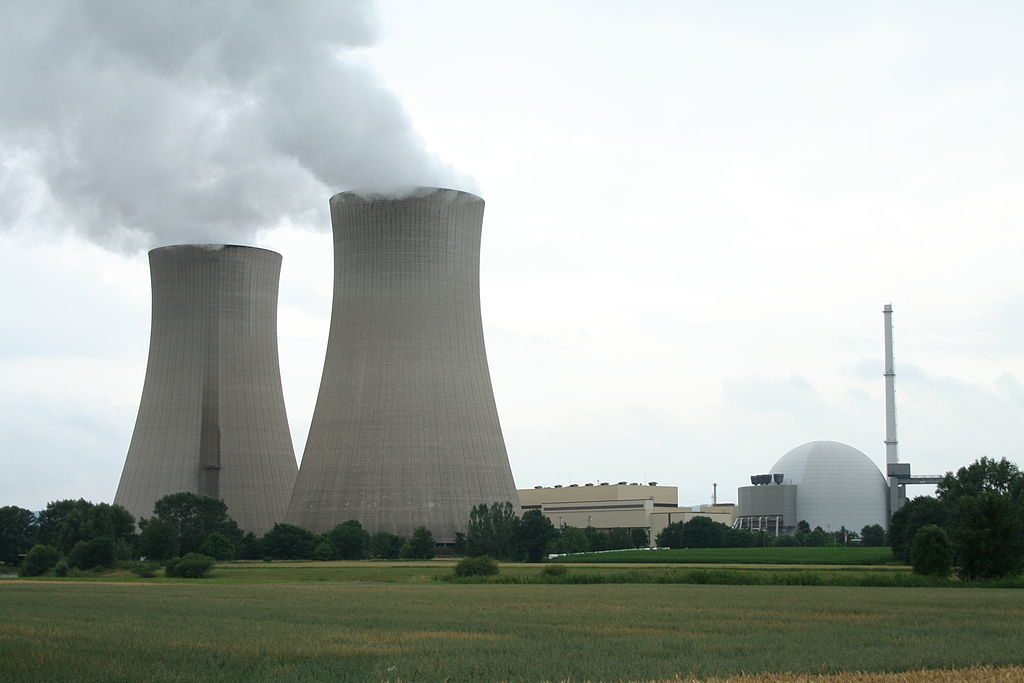
Recently, the Nuclear Regulatory Commission (NRC) issued a statement aimed at reassuring the public regarding the safety of nuclear power plants against airborne threats. The NRC emphasized that while security personnel at these facilities cannot physically intercept or shoot down incoming drones, the structures are designed to be inherently secure. They are built to endure severe weather events such as hurricanes and earthquakes, and they maintain stringent security protocols to defend against various threats.
The NRC also updated regulations last year mandating nuclear plants to report drone sightings over their premises. These reports are subsequently sent to the NRC, FAA, FBI, and local law enforcement agencies. In late 2019, the nuclear sector began collaborating with the Department of Energy and FAA to limit drone flights near nuclear facilities.
Concerns remain, however, particularly among government officials, regarding the potential for drones to damage these energy-producing sites, which could result in power outages or more serious incidents. For instance, Louisiana’s Governor Jeff Landry highlighted suspicious drone activity detected over Entergy’s River Bend nuclear facility.
According to Scott Parker, the Chief of Unmanned Aircraft Systems at the Cybersecurity and Infrastructure Security Agency (CISA), drones with malicious intentions pose two main threats to vital infrastructure: they can either breach site security or capture sensitive information, such as intellectual property. Additionally, drones can also carry tools designed for cyber-attacks.
Military conflicts abroad have shown that drones can be modified to carry weapons or explosives, enabling them to target critical infrastructure effectively.
Despite these emerging threats, the Nuclear Energy Institute (NEI) reassures that nuclear plants are fortified against such incursions, stating that comprehensive defense strategies are routinely updated and evaluated with federal security agencies. Each plant has specific protocols to manage suspicious aircraft activity and is limited in actions to neutralize drone threats due to federal restrictions.
While nuclear plants may be secure against drones, other parts of the electric grid, like small relay stations, are more vulnerable. Recent years have seen thwarted drone attacks on electric infrastructure. Last November, federal agents apprehended an individual attempting to attack a power station in Nashville with an explosive-laden drone.
Scott Aaronson, senior vice president for security at the Edison Electric Institute, called for legislation to facilitate local law enforcement’s ability to protect all facets of the electric grid from drone threats. Aaronson expressed confidence in the resilience of the energy industry against such incursions while acknowledging the necessity for further protective measures.
Given the expansive nature of the electric grid, protective strategies vary. Aaronson noted that while some components are crucial to daily operations, others serve as part of a larger system and hence do not require the same level of security as nuclear facilities.
Those managing the electric grid must focus on collaborating with law enforcement at various levels to implement effective counter-drone strategies while acknowledging that some assets do not pose the same risks as nuclear plants.
As this technology evolves, ongoing dialogue and legislative updates will be essential in safeguarding critical infrastructure from potential UAV threats.
For further reading, explore:
- Navigating the Limits: Federal Laws Restrict Counter-Drone Measures for Critical Infrastructure
- Drones in the Wrong Hands: How Criminals Use UAVs to Threaten Prisons and Jails
- Congressional Hearing Reveals Gaps in Counter-Drone Readiness
For the latest updates in the drone industry, subscribe to AxisBlade.