










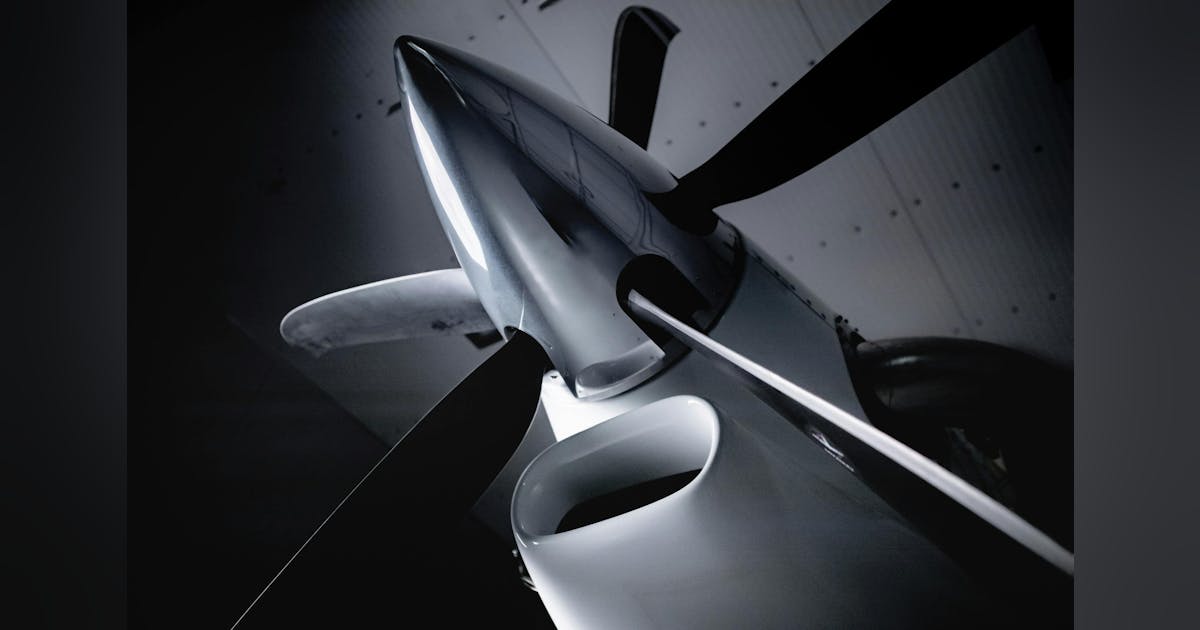
GE’s Catalyst Turboprop Achieves FAA Certification
CINCINNATI – GE Aerospace has announced that its Catalyst turboprop engine has successfully received certification from the Federal Aviation Administration (FAA), paving the way for its operational deployment. This certification, under FAR Part 33, required extensive testing involving more than 23 engines and over 190 component assessments.
GE Aerospace claims that the Catalyst engine marks the first newly designed turboprop of the 21st century and stands out as the first to comply with the latest FAA certification standards, which encompass over 20 new regulatory requirements.
The engine is equipped with Full Authority Digital Engine and Propeller Control (FADEPC), a single-lever control system that was developed in Paris by Safran Electronics & Defense. This innovative system harmonizes the functionality of the engine and propeller, thereby reducing the workload on pilots.
“Achieving certification for the Catalyst engine represents a major milestone for our organization and is a proud achievement for the team members who devoted their efforts to the design, development, and extensive testing of this next-generation European turboprop engine,” stated Riccardo Procacci, president and CEO of Propulsion and Additive Technologies at GE Aerospace. “We are now fully dedicated to ramping up production as we prepare for its market introduction.”
Throughout the certification phase, the test engines have amassed over 8,000 operating hours and have met significant performance benchmarks.
According to Paul Corkery, the general manager of the Catalyst program at Avio Aero, “The Catalyst has undergone a comprehensive certification and testing regime. We are satisfied with the engine’s performance in both ground and flight testing, and we remain committed to aiding Textron Aviation in completing their certification process and preparing for the Beechcraft Denali’s entry into service.”
The Catalyst engine demonstrates an impressive overall pressure ratio of 16:1, which GE claims can enhance fuel efficiency by as much as 18% while increasing cruise power by up to 10% relative to its competitors. It is distinguished in its class by integrating two stages of variable stator vanes and cooled high-pressure turbine blades, with several parts produced through additive manufacturing techniques.
Manufactured at GE Aerospace facilities across Europe, including Avio Aero in Italy, the engine showcases the company’s commitment to innovation and quality in aerospace manufacturing.