





A Successful Business Model for Drone Deliveries: Insights & Lessons from Industry Pioneers
Introduction: Embracing the Reality of Drone Deliveries
The concept of drone deliveries has transitioned from a speculative notion to a tangible and expanding facet of contemporary logistics. What seemed like a futuristic idea is now a part of everyday operations in a number of cities and sectors. From Walmart’s airborne ice cream deliveries to Zipline’s vital medical supply missions, and Amazon Prime Air capturing the imagination of tech fans, drones are proving their potential. However, developing a successful and enduring business strategy for drone deliveries involves overcoming various obstacles, including regulatory challenges, technological advancements, and ever-evolving consumer demands.
Let us dissect the formula for success, examine effective strategies, identify shortcomings, and provide you with a blueprint to navigate this dynamic industry, whether you’re a retailer, an entrepreneur, a logistics professional, or simply interested in the progress of drone technology.
Part I. Crafting a Winning Drone Delivery Framework
1. Cutting-Edge Technology: Reliable, Autonomous, Forward-Thinking
- Hybrid Drones and Beyond Visual Line-of-Sight (BVLOS): Industry leaders like Amazon and Zipline utilize hybrid drones that can travel long distances and operate beyond visual line-of-sight, enhancing scalability by eliminating the need for pilots to maintain visual contact with drones.
- AI and Autonomous Navigation: With AI-driven route planning, drones can navigate around weather conditions, no-fly zones, and urban obstacles in real-time, significantly reducing labor expenses and enhancing safety.
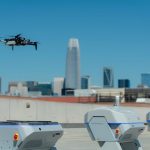
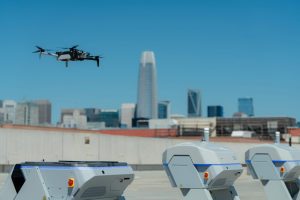
- Automatic Recharging and Landing: Innovations such as automated recharging stations and secure delivery lockers boost operational efficiency. For instance, Wing’s utilization of Autoloaders on mall rooftops creates round-the-clock drone airports.
- Swarm Technology: AI-directed fleets or ‘swarms’ push the efficiency envelope, allowing multiple deliveries to occur simultaneously.
2. Regulatory Alignment and Public Sentiment
- Regulatory Support: Steady progress in regulatory frameworks by aviation authorities worldwide is paving the way for safer and more extensive drone operations over urban areas.
- Public Acceptance & Environmental Impact: While areas like Texas express resistance due to noise and privacy concerns, acceptance grows in regions where drones address significant needs, such as medical deliveries. Drones have also been shown to significantly cut emissions compared to vehicle deliveries.
3. Financial Structure and Growth Capability
- Achieving Cost-Effectiveness: The challenge is reducing the cost per delivery as consumers are reluctant to pay high fees, requiring innovations in automation and economies of scale.
- Infrastructure Investments: Companies such as Amazon invest extensively in proprietary drones, while others use partnerships to leverage pre-existing infrastructure.
- Focus on Specific Use Cases: High-priority and small, light parcels are optimal for drone delivery, addressing urgent needs efficiently.
4. Partnerships and Ecosystem Integration
- Strategic Collaborations: Partnerships among major retailers and delivery platforms speed up the adoption and scaling of drone delivery services.
- Supporting Networks: A robust ecosystem includes advancements in traffic management, battery optimization, and cybersecurity.
Expert Tip: Leveraging tools like the PwC Drone Delivery Location Finder can help assess the feasibility of your business’s entry into drone delivery.
Part II. Success Stories: Models That Excel—and Those That Don’t
Case Studies:
| Company | Model Focus | Strengths | Key Lessons/Limits |
|---|---|---|---|
| Zipline | Medical & Retail | Proven track record in Africa; expanding in the US | Ideal for urgent needs; high-value deliveries cover costs |
| Amazon | E-commerce, Own Goods | Full control over technology; strong brand recognition | Heavy investments needed; high cost per delivery |
| Wing | Retail, Food, B2C | Quick setups with mall rooftops | Payload limitations; regulatory challenges |
| Serve Robotics | Food, Last-mile Robots/Drones | Efficient urban operations combining ground and air | Limited to urban areas; requires ground support |
| Walmart | Retail, Grocery | Extensive US coverage; hybrid model | Meets demand for small, essential items |
Failed Attempts and Lessons Learned:
Some partnerships did not endure. For instance, Walmart restructured its approach by seeking more scalable alliances after parting ways with DroneUp, highlighting the importance of flexibility and adaptability in this industry.
Part III. Your Blueprint for Establishing a Drone Delivery Start-Up
Step 1: Identify the Core Value Proposition
Determine the key issues drone delivery will address for your clientele. Whether it’s speed, perishable goods, or remote access, focus on high-priority deliveries if resources are constrained initially.
Step 2: Select Appropriate Technology, Partners, and Locations
Pilot projects in supportive suburban and semi-urban locales are essential for early success, taking advantage of existing customer bases and conducive environments.
Step 3: Navigate Regulatory and Safety Considerations
Early and transparent engagement with relevant authorities and communities fosters trust and cooperation in drone operations.
Step 4: Optimize Operational and Financial Efficiencies
Automation is key to reducing costs. Align drone fleets with actual demand to optimize capacity and prepare for demand spikes.
Step 5: Foster Scalability Beyond Initial Demonstrations
Invest in both bespoke technologies and partnerships to manage your drones effectively.
Part IV. Steady Progress, Common Pitfalls, and the Human Element
- Zipline in Rwanda: Demonstrated that drone delivery is not solely a convenience but a necessity in emergency medical situations.
- Walmart’s Expansion: Scaling efforts aim to serve a wide demographic in the US, focusing on essential, quick-turnaround products.
- Serve Robotics & Uber Eats Collaboration: An innovative approach combining drones and ground robots to streamline final-stage deliveries, regardless of urban congestion.
- Lessons from Amazon: Highlight the challenges of balancing innovation with financial and regulatory realities.
“It’s our job to provide solutions for customers, and this is just another solution we offer because the demand is evident.” – Greg Cathey, Walmart
Common Missteps to Avoid:
- Avoid pursuing trends at the expense of practicality. Choose scenarios where drones genuinely outperform traditional vehicles.
- Do not underestimate community opposition or policy delays.
- Avoid overly complex technology that does not address fundamental business issues.
Part V. Forecasting the Horizons of Drone Delivery Models
- Beyond Package Delivery: Envisioning uses in medical, industrial supply, and even agricultural applications showcases the versatility of drones.
- Environmental Commitment: Drones play a pivotal role in eco-friendly logistics agendas, meeting both legal and consumer expectations.
- Swarm Capabilities and AI Advancements: Anticipating expansive future capabilities, such as AI-managed fleets handling extensive delivery operations with minimal oversight.
Conclusion: Takeaways for Aspiring Drone Delivery Entrepreneurs
- Commence with clear objectives and gradually increase scale while maintaining an adaptable business model.
- Focus on automation to enhance profit margins.
- Select partnerships and operational locations judiciously to harness pre-existing opportunities.
- Earn public trust by tackling legitimate challenges with transparency guiding your approach.
Those who succeed will adeptly blend visionary technology with sound economic practices, unwaveringly addressing authentic consumer needs. Whether your services involve frozen treats, pharmaceuticals, or industrial components, the possibilities for advancement in drone logistics are burgeoning.
*Ready to embark on or invest in drone delivery? Stay connected with industry experts, remain informed on regulatory progress, and anchor your business strategy in consumer demands and operational feasibility. The progression of drones in logistics is not merely a fleeting trend, but a vital evolution in fast, sustainable delivery solutions.*